Primary Website Experience
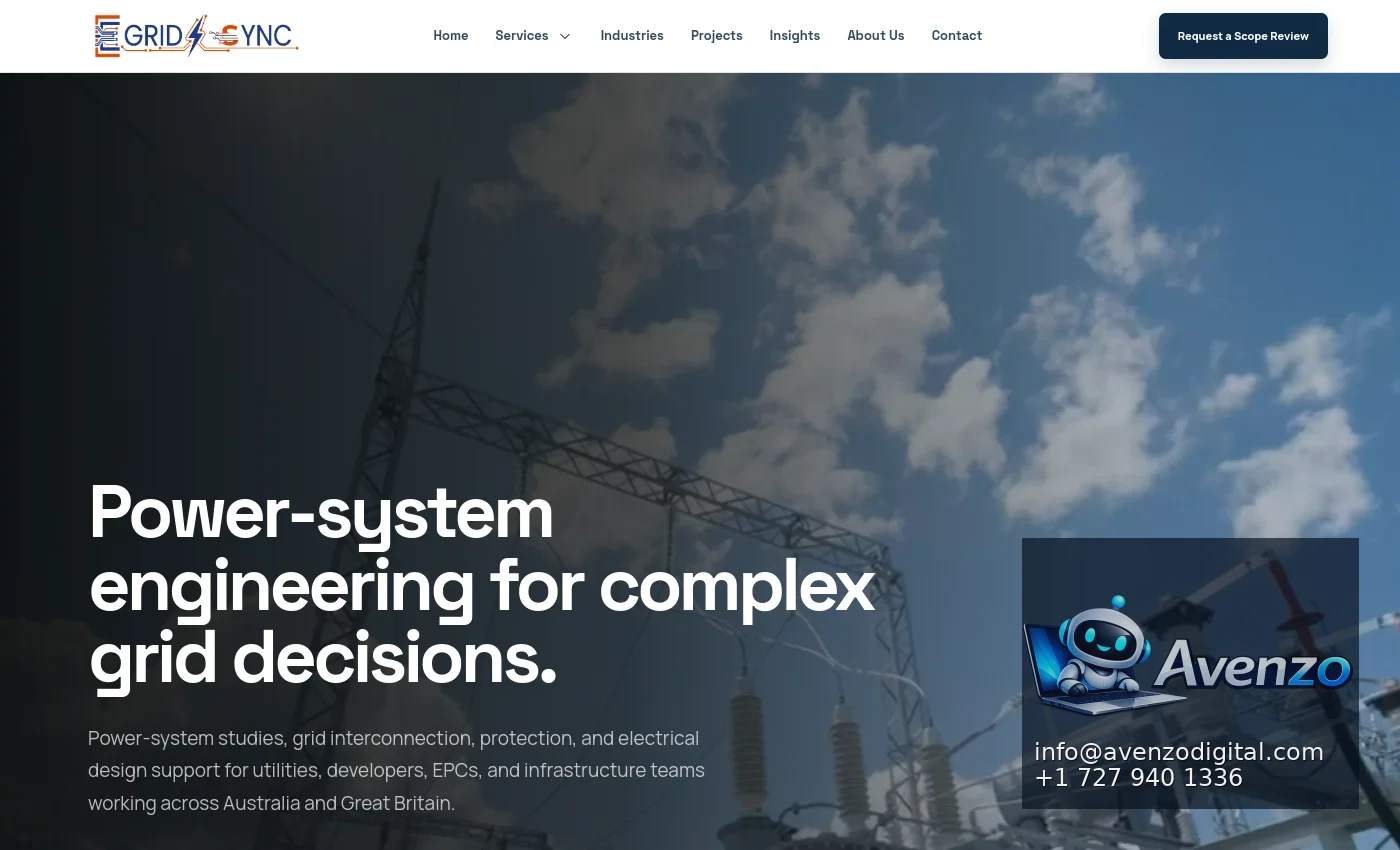
Main project view using the original client website imagery.

WordPress, eCommerce, custom development and high-converting landing pages.
Power-engineering website platform with 44 public pages
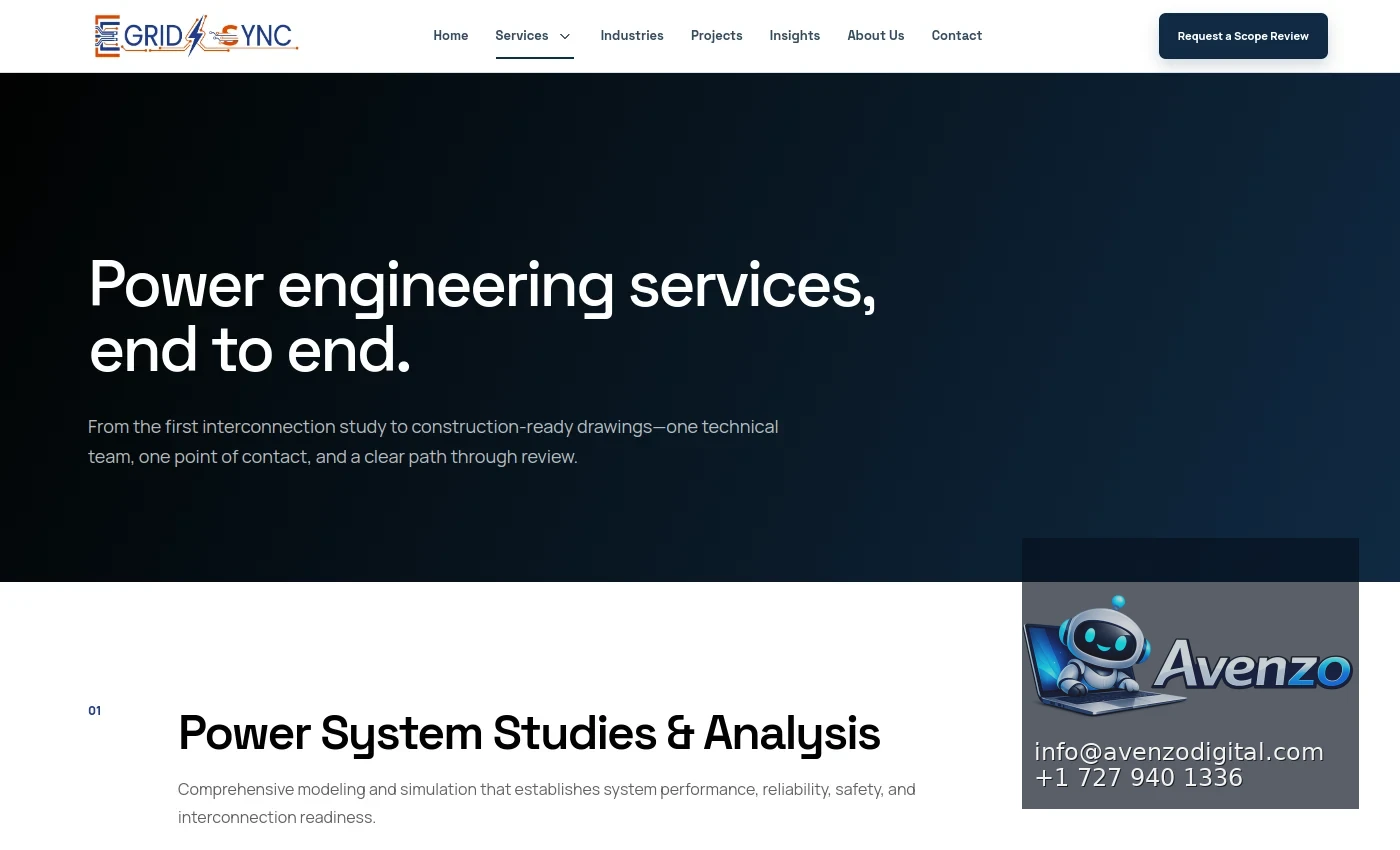
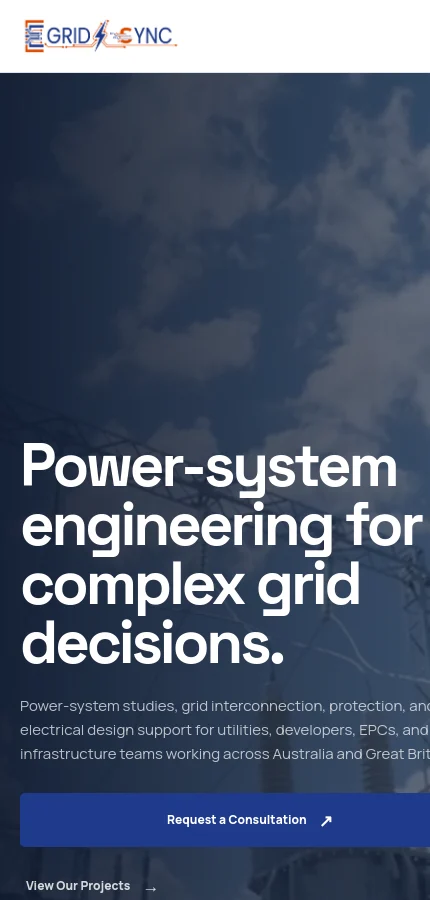
The central project challenge for eGridSync was specific: The company required a credible digital presence capable of organizing a broad engineering service portfolio for technical and commercial decision-makers.. That requirement shaped the hierarchy of the page, the amount of explanation needed before a visitor could act, and the way calls to action were positioned. The goal was not simply to make the interface look newer; it was to make the offer easier to evaluate…
The implementation for eGridSync addressed that challenge through A custom Next.js website was developed with structured service categories, industry pages, project content, insights, responsive navigation, enquiry forms, metadata, and schema.. The solution was structured around the brand’s actual offer instead of a generic page pattern, with the supporting information arranged so visitors could move from orientation to detail and then to the most relevant action without losing context.The challenge was not simply to make…
Main project view using the original client website imagery.
A different project view showing more of the delivered website system.
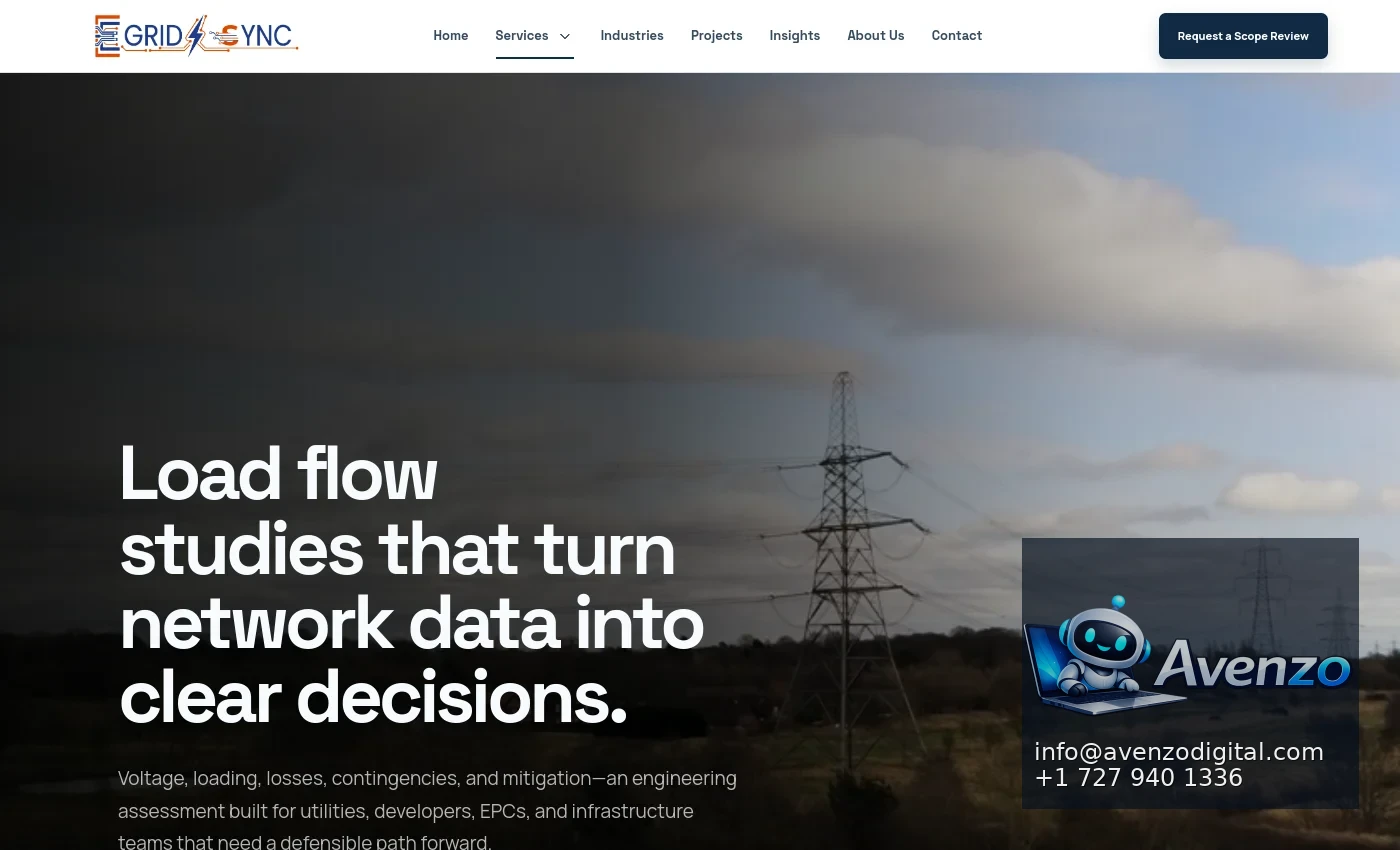
Another unique visual from the website or project record.
eGridSync is presented here as a Engineering & Energy case study focused on A large technical website covering grid connection, protection and control, renewable integration, substation engineering, owner’s engineering, industries, projects, and insights.. The engagement centered on Next.js development, information architecture, technical SEO, schema, QA. Rather than using a generic agency narrative, this page records the specific public-facing experience, the project context we can verify, and the parts of the delivery that are supported by the website, screenshots, and project record.
eGridSync is included because the project demonstrates how a digital experience can be documented without turning normal delivery work into unsupported performance claims. The portfolio record connects the visible website, the recorded scope, the project challenge, and the delivered solution so a prospective client can judge the relevance of the work on its own terms.
The most useful comparison is therefore not whether eGridSync follows a generic agency formula, but whether the finished experience addresses the specific audience and offer recorded above. That is also why this revised case study removes repeated methodology copy that previously appeared across multiple Avenzo portfolio pages.